There are no items in your cart
Add More
Add More
| Item Details | Price | ||
|---|---|---|---|
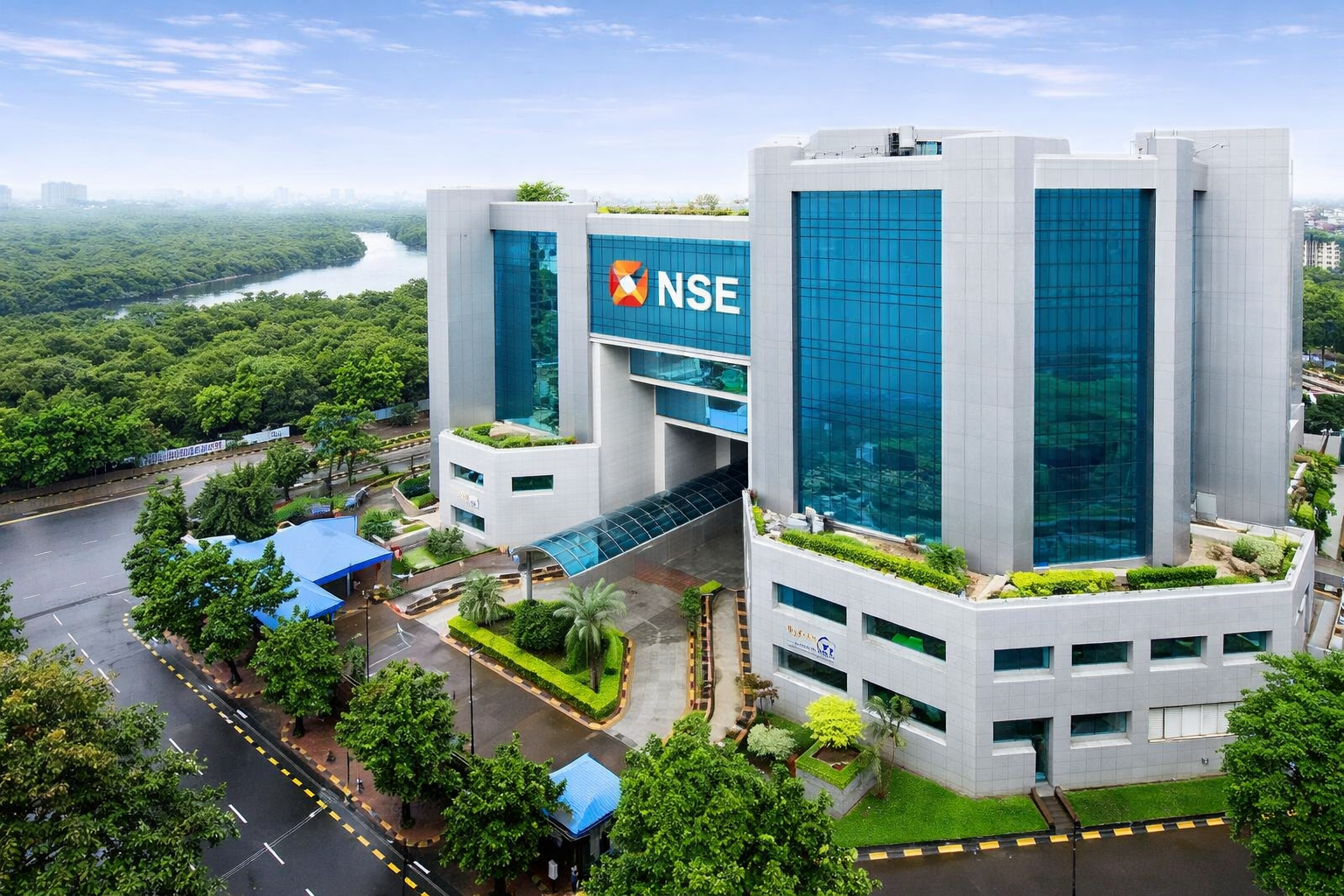
There's a quiet irony that's been sitting at the heart of India's natural gas market for years. India imports millions of metric tonnes of LNG, runs thousands of kilometres of gas pipelines, feeds fertiliser plants, powers city kitchens through piped gas connections and yet, when the people running these businesses wanted to hedge their price risk, they were essentially staring at charts from Houston or Amsterdam. Henry Hub. TTF. Benchmarks built for completely different markets, different supply chains, different everything. It worked, sort of. But not really. So when NSE came out on April 1 which, yes, is April Fool's Day, and no, this isn't a joke with the announcement that it's teaming up with Indian Gas Exchange to launch natural gas futures linked to a domestic Indian benchmark, the reaction from anyone who follows this space should probably be: finally. The Benchmark Problem Was Always the Real Problem
Here's the thing about hedging. A hedge only works properly if the instrument you're using actually moves in sync with your underlying exposure. If you're a city gas distribution company in Ahmedabad buying domestic gas at prices driven by Indian supply-demand dynamics, and you're trying to hedge using a futures contract priced off Henry Hub which reflects US shale production, US winter demand, US pipeline constraints you're not really hedged. You're just making a bet on a correlated market and hoping the correlation holds. Sometimes it does. Sometimes it really doesn't. This is what traders call basis risk. And it's been the uncomfortable reality for Indian gas buyers and sellers for a long time. The GIXI-linked contracts NSE is launching are specifically designed to close this gap. GIXI Gas IndeX of India is IGX's own benchmark, built from actual trades happening at six regional delivery hubs across India. It reflects real Indian gas prices. Not a proxy. Not an approximation. The actual thing. That distinction matters more than it sounds.
What NSE and IGX Are Actually Building Here
IGX the Indian Gas Exchange has been doing something quietly important for a few years now. Under the regulatory oversight of PNGRB, it's been constructing India's physical gas trading infrastructure. Spot markets. Forward contracts. Regional hubs where gas actually changes hands. It's the kind of unglamorous, foundational work that doesn't make headlines but turns out to be essential. NSE, on the other hand, is enormous. World's largest derivatives exchange by contract volume in 2025, per the Futures Industry Association. Third globally in equity trades. It has reach, liquidity, and an established participant base. What this collaboration does is stitch those two things together. Physical delivery infrastructure on one side, massive financial exchange on the other. That combination is what serious commodity markets are built on. You can't have a functioning futures market without credible price discovery in the physical market. And physical market participants can't manage risk effectively without liquid financial contracts to hedge with. Each needs the other. India's gas market has had pieces of this. Now it's getting the full picture.
Who Gains From This, and How
The list is longer than you'd think. Gas producers get a way to lock in selling prices. City gas distributors can hedge their purchase costs. Power generators who are constantly squeezed between fuel costs and electricity tariffs get a tool they've badly needed. Fertiliser manufacturers, whose economics are deeply tied to gas prices, same story. Industrial consumers across sectors. And then financial participants. Institutional investors, brokers, retail investors who want exposure to energy commodities. For them, this opens up an entirely new domestic asset class. Indian natural gas futures simply didn't exist before. That's not a small thing. The contracts are expected to be monthly, with twelve monthly contracts available for trading at any point. Standard structure, easy to understand, broad enough to support genuine hedging across different time horizons. Timing Is Never Accidental
It's worth pausing on when this is happening. Natural gas prices globally have been volatile genuinely unsettling with Middle East tensions and fears about supply disruptions through the Strait of Hormuz keeping markets on edge. When prices swing hard and unpredictably, every gas buyer and seller in the country feels it. The appetite for risk management tools goes up sharply in environments like this. Launching a domestic hedging instrument right now isn't just good policy. It's good timing. SEBI approval came through in February 2026. The formal announcement landed April 1. Launch dates are still to be confirmed, but the regulatory and institutional groundwork is done.
Will It Actually Work?
Honestly, that depends on adoption. New financial instruments often start slow. Volumes take time to build. Market participants need to get comfortable, trading desks need to be set up, risk frameworks need updating. The first few months of any new contract are usually quiet. But the foundation here is unusually solid. Real benchmark. Credible exchange. Strong regulatory backing. Genuine commercial need. This one has the right ingredients. Whether it becomes the kind of deep, liquid market India's gas sector deserves that part plays out over the next few years. Worth watching closely.